How a Brain Injury Lawyer in Denver Supports Catastrophic Injury Victims
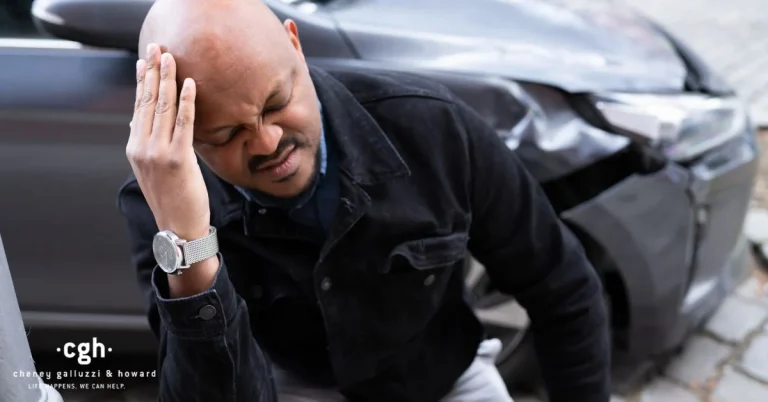
A catastrophic brain injury changes the pace and shape of life in a matter of seconds. One careless driver runs a red light on Colfax. A worker falls from scaffolding at a construction site near RiNo. A skier collides with another person on a crowded slope west of Denver. The emergency response is immediate, but the legal and financial consequences unfold over months and years.
For families, the first shock usually has little to do with a lawsuit. It is medical. It is practical. Will the person wake up fully oriented? Can they speak clearly? Will they return to work, parent the same way, drive again, remember names, regulate anger, or manage basic decisions without supervision? Those are not abstract concerns. They determine what home life looks like, whether income disappears, and how much care will be needed long after the hospital discharge papers are signed.
That is where legal representation becomes more than a claim for money. A skilled Brain Injury Lawyer Denver families trust is not simply filing paperwork or sending demand letters. In the best cases, that lawyer becomes the person who sees the full trajectory of the injury and builds a case around the victim’s real future, not just the first stack of medical bills.
A brain injury case is rarely as straightforward as it looks
Many injury claims are built around visible harm. A broken leg appears on imaging. A surgical invoice shows the cost. Recovery follows a recognizable timeline. Brain injury cases are different. Even when imaging confirms trauma, the most disabling symptoms may appear in subtle ways that outsiders miss.
A client may look composed during a short meeting but struggle to remember appointments, process multi-step tasks, tolerate noise, or control sudden frustration. Someone who once managed a team, balanced accounts, or handled detailed technical work may no longer perform at that level. A spouse might say, quietly and with grief, “He survived, but he is not the same person.” That kind of loss matters legally, yet it takes careful work to prove.
Insurance companies often take advantage of that gap between appearance and reality. If a victim can walk, talk, and attend a deposition, the defense may imply that the injury is exaggerated. They may focus on a normal scan while minimizing cognitive fatigue, headaches, dizziness, personality changes, or executive function problems. They may also argue that symptoms came from stress, age, prior conditions, or unrelated mental health issues.
An experienced brain injury lawyer understands that these cases succeed when the law is tied tightly to medicine, rehabilitation, and lived daily function. That requires patience and precision.
The early days matter more than most families realize
In the first few weeks after a traumatic brain injury, people are often overwhelmed. They are juggling intensive care updates, surgical decisions, transfers to rehab, insurance authorizations, missed work, and frightened children or aging parents. During that period, important legal evidence can disappear.
A truck’s electronic data may be overwritten. Surveillance footage from a store or intersection may be deleted. Witnesses drift away or forget key details. An employer might begin documenting events from its own perspective after a workplace incident. Even social media posts by the injured person or relatives can be pulled out of context later.
One of the first practical ways a lawyer helps is by preserving evidence before it vanishes. That can include sending preservation letters, gathering photographs, identifying all potentially responsible parties, obtaining incident reports, and coordinating access to medical records from the very beginning. Families often think they should wait until the medical picture is clearer. In reality, delay can weaken a strong case.
This early phase is also when legal counsel can prevent expensive mistakes. I have seen families unknowingly give recorded statements while exhausted, sign broad medical authorizations they did not understand, or accept modest early settlement discussions because the immediate bills felt crushing. Those decisions can limit options later, especially when the full impact of a brain injury has not yet emerged.
Catastrophic brain injuries require a different valuation process
A routine injury claim can sometimes be estimated with rough math. Emergency care, follow-up treatment, wage loss, pain and suffering. A catastrophic brain injury does not fit that model. The numbers are too large, the timeline too long, and the variables too serious.
A person in their thirties with a severe traumatic brain injury may face decades of consequences. Some need assisted living support or in-home attendant care. Others can live at home but need speech therapy, occupational therapy, neuropsychological treatment, vestibular rehabilitation, medication management, transportation help, or job retraining. A child with a brain injury may require educational accommodations for years, and the full developmental impact may not be known until later milestones are missed.
A Brain Injury Lawyer Denver victims work with must know how to build damages that reflect that long horizon. That usually means looking beyond current invoices and documenting future needs with care. Not every case will require the same experts, but serious cases often turn on the quality of the long-term damages analysis.
A proper valuation may consider:
- Projected medical and rehabilitation costs over many years
- Reduced earning capacity, not just current missed wages
- Home modifications, mobility support, and transportation changes
- The cost of supervision or attendant care, whether paid or provided by family
- Non-economic harm, including loss of independence, relationships, and quality of life
That last category is often the hardest to discuss and the easiest for insurers to downplay. Yet it is central. The law recognizes that catastrophic injury is not just a financial problem. It is a human loss measured in diminished function, altered identity, and permanent disruption of ordinary living.
Why Denver cases demand local judgment
Personal injury law is never practiced in a vacuum. Geography matters. Denver cases bring their own factual patterns, medical networks, insurers, and jury expectations. Traffic collisions on I-25, I-70, and the expanding suburban corridors often involve complicated liability questions, commercial vehicles, weather conditions, and multiple insurers. Recreational injuries can intersect with waivers, property conditions, or third-party negligence. Construction growth across the metro area increases the number of high-risk worksite incidents.
A lawyer with real Denver experience understands where cases tend to tighten and where they can open up. They know that treatment patterns vary between hospital systems. They recognize how altitude, winter conditions, and mountain corridor traffic can affect crash reconstruction. They understand local judges’ preferences, common defense firms, and the practical realities of presenting a catastrophic injury to a Front Range jury.
That local knowledge does not replace legal skill, but it sharpens it. In a serious brain injury case, details matter. The route of an ambulance transfer, the availability of rehabilitation beds, the time gap between injury and specialty evaluation, even the employment market for a worker who can no longer perform high-skill tasks, all can influence the strength and value of a claim.
Proving the invisible parts of the injury
The phrase “invisible injury” is often used for brain trauma, and while it can be accurate, it also understates the burden. The injury may be invisible to strangers, but it is rarely invisible at home. Families see the repetition, the confusion, the irritability, the exhaustion after simple errands, the withdrawn personality, the forgotten medications, the abandoned hobbies.
A strong lawyer does not rely on a client’s diagnosis alone. The case has to show how the injury functions in real life. That might mean obtaining neuropsychological testing, therapy records, work evaluations, school records, caregiver notes, and testimony from the people who knew the victim before and after the injury.
One husband I once heard described in a case summary had gone back to work after a crash and insisted he was “fine.” On paper, that looked helpful for the defense. In practice, his wife had taken over every bill, every calendar, every medication reminder, and every conversation with the children’s school because he could no longer manage those tasks consistently. He was employed, but only barely, and only because colleagues quietly covered for him. Cases like that are won by revealing the truth beneath surface appearances.
Good advocacy also involves restraint. Not every memory lapse proves catastrophic impairment. Not every headache after a concussion supports a permanent disability claim. Credibility matters immensely in brain injury litigation. A seasoned lawyer knows when to press hard, when to wait for more medical development, and when a symptom picture does not yet justify broad claims. That judgment protects the client and strengthens the case.
The lawyer often becomes a buffer against insurance pressure
After a catastrophic injury, the practical pressure can be relentless. Health insurers request records. Auto insurers ask for updates. Disability carriers evaluate work restrictions. Employers want to know return-to-work timelines. Bills arrive before the family has figured out who is handling what.
A lawyer’s role is not to solve every problem, but to reduce chaos and protect the claim while the client focuses on treatment. That often means taking over communications with liability insurers, coordinating document flow, identifying available insurance coverage, and making sure the case is not shaped by the defense before the victim understands the extent of the harm.
This support matters psychologically as well. Families dealing with brain injury often describe decision fatigue. They are making high-stakes choices while sleep-deprived and emotionally depleted. Having someone who can explain, in plain English, what to expect from the claims process can ease a tremendous burden.
That does not mean promising speed. Serious brain injury cases are rarely fast. In fact, one of the most valuable things a lawyer can do is slow a case down when necessary. Settling too early may leave a victim responsible for future needs that were never fully documented. Waiting can be difficult when bills are mounting, but rushing can be far worse.
Litigation is sometimes necessary, and preparation changes outcomes
Many personal injury claims settle. Catastrophic brain injury claims can settle too, but they often settle well only after the defense sees that the plaintiff is ready and able to try the case. Preparation is leverage.
That preparation usually begins long before a trial date. It includes developing a coherent liability theory, organizing medical proof, working with experts who can explain complex deficits clearly, and preparing the injured person and family members to testify honestly without sounding rehearsed. In brain injury cases, testimony is often deeply important because jurors need to understand not just what happened on the date of injury, but what life looks like now.
Defense lawyers in these cases commonly challenge causation and extent of damages. They may argue the victim had prior concussions, preexisting depression, substance use history, learning issues, or unrelated workplace stress. Some of those points may https://mariotyky062.valiantfield.com/posts/why-local-knowledge-matters-when-choosing-a-brain-injury-lawyer-denver have legitimate relevance. Others are strategic distractions. A skilled plaintiff’s lawyer does not ignore them. They confront them directly, place them in context, and support the medical narrative with records rather than rhetoric.
This is one place where experience shows. Lawyers who regularly handle catastrophic injury claims know that medicine is rarely perfectly tidy. Symptoms overlap. Prognoses evolve. Specialists may disagree at the margins. The goal is not to manufacture certainty where none exists. It is to present a defensible, well-supported account of what the injury has done and what it will likely require in the future.
Family members are often part of the case, whether they expect to be or not
Brain injuries reverberate outward. A spouse may become a caregiver. A parent may stop working to supervise appointments. An adult child may move back home. The household reorganizes itself around therapy schedules, safety concerns, mood changes, transportation, and finances.
Lawyers who handle these cases well understand that family members are not merely bystanders. They are often the best witnesses to the before-and-after story, and in many homes, they are quietly absorbing substantial unpaid labor. That labor can be legally significant. If a wife spends three hours a day managing medications, meals, appointments, and supervision that used to be unnecessary, those hours represent real value, even if no agency invoice exists.
There is also a relational cost that deserves respectful treatment. Catastrophic injury can erode companionship, intimacy, shared parenting, and ordinary household partnership. These are difficult subjects, and many clients initially avoid them because they feel too personal. An effective lawyer creates space for those realities without sensationalizing them. The point is not drama. It is accuracy.
Choosing the right lawyer is not only about courtroom skill
Families often assume they should ask one question: how much trial experience does the lawyer have? That matters, but it is not enough. Brain injury cases are demanding in quieter ways too. They require communication, organization, and emotional steadiness over a long period.
The best fit is often a lawyer who can do three things at once: understand the medicine well enough to spot issues, build the economics carefully enough to support long-term damages, and communicate with the client in a way that reduces confusion rather than adding to it.
When people are evaluating counsel, a few practical signs often tell them more than polished marketing ever will:
- The lawyer asks detailed questions about daily function, not just the accident itself
- They show interest in future care and work capacity, not only past bills
- They explain uncertainty honestly instead of making easy promises
- They discuss evidence and timing with specificity
- They treat family observations as important, not incidental
A Brain Injury Lawyer Denver residents can rely on should also understand when a case needs outside support. Complex claims may involve life care planners, neurologists, neuropsychologists, vocational experts, economists, and accident reconstruction professionals. No single attorney is all things. Good representation often looks like assembling the right team at the right moment, without running up unnecessary expense.
Settlement should reflect the life that lies ahead
By the time a catastrophic brain injury case approaches resolution, clients are often tired. The legal process can feel intrusive and slow, and many want it over. That is understandable. Still, the settlement decision deserves real care because it may have to support years of treatment and adaptation.
This is where a lawyer’s job becomes especially practical. They should be able to walk the client through what the numbers mean in lived terms. How much of the recovery may be needed for future treatment? What liens or reimbursement claims have to be addressed? If the injured person cannot manage money independently, what planning issues arise? If the person is young, how far does the settlement really stretch when spread over decades?
A large number on paper can look reassuring and still prove inadequate if future care costs were undervalued. On the other hand, not every case should be tried simply because the defense’s first serious offer feels disappointing. Judgment matters. Sometimes the most professional advice is to resolve the case because the risks of trial are substantial and the settlement is fair. Sometimes the right advice is to keep pushing because the offer ignores the medical reality.
That kind of advice cannot be reduced to slogans. It depends on the injury, the evidence, the venue, the experts, the witnesses, and the client’s own priorities.
What support really looks like after a catastrophic brain injury
When people hear the phrase legal support, they often picture a lawsuit. In severe brain injury cases, support is broader than that. It means recognizing that the victim is navigating a different life, and that the legal claim must account for that difference in concrete, credible terms.
The right lawyer helps preserve evidence before it disappears. They protect the client from early insurance tactics. They gather the medical and functional proof needed to show what the injury has actually changed. They work to value future care honestly. They prepare the case well enough that settlement discussions carry weight. And if litigation becomes necessary, they are ready to explain the injury to a jury in a way that is medically grounded and humanly clear.
That is the real role of a Brain Injury Lawyer Denver families turn to after catastrophe. Not a miracle worker. Not a salesman. A serious advocate who can translate trauma into proof, pressure into strategy, and uncertainty into a plan. For victims living with the consequences of a brain injury, that support can make the difference between a case that captures the truth and one that leaves too much of it behind.
CGH Injury Lawyers
Address: 2701 Lawrence St Ste 201, Denver, CO 80205
Phone number: +17206698062
FAQ About Brain Injury Lawyer Denver
What to avoid after brain injury?
After a brain injury (such as a concussion or traumatic brain injury), protecting your brain from physical, mental, and chemical stress is critical to proper healing.
What is a brain injury lawyer?
A brain injury lawyer (or Traumatic Brain Injury / TBI lawyer) is a personal injury attorney who represents individuals who have suffered concussions, contusions, hemorrhages, or other forms of brain trauma caused by someone else's negligence, recklessness, or intentional harm.
Can traumatic brain injury be cured?
A traumatic brain injury (TBI) cannot be strictly "cured" in the sense of reversing permanent cell death or restoring the brain to its exact pre-injury state. However, the brain possesses a remarkable ability to heal and adapt.